
pandemics fall under frustration of contract termination definition
Pandemics have had a profound impact on businesses and employment worldwide, raising questions about their legal implications on contracts. One frequent question is: do pandemics fall under frustration of contract termination definition? Understanding this concept is critical for employers, employees, and businesses trying to navigate obligations disrupted by unprecedented events like COVID-19. Frustration of contract is a legal doctrine that excuses performance when unforeseen circumstances make fulfilling a contract impossible or fundamentally different from what was agreed upon. A pandemic, which can halt operations, impose government-mandated restrictions, or render work illegal or unsafe, can sometimes trigger this principle.
Frustration of contract typically arises when an event occurs that neither party anticipated and which is beyond their control, making contractual performance impossible. Pandemics can create exactly this type of situation. For example, government-imposed lockdowns, travel bans, or health restrictions may prevent employees from performing their duties or businesses from delivering products and services. In such cases, parties may argue that the contract has been frustrated. However, the application is not automatic; courts examine whether the pandemic truly made performance impossible or whether alternative arrangements could allow the contract to continue. Frustration of contract termination definition is relevant here because it clarifies when a contract can be terminated without liability due to external, unavoidable events.
In employment contracts, pandemics can lead to circumstances where employees cannot work, either due to illness, quarantine requirements, or closure of workplaces. Employers may consider invoking frustration as a basis to terminate employment without notice or severance if continuing employment is impossible. Frustration of contract termination definition helps define the legal boundaries of such terminations. It emphasizes that termination due to frustration is justified only when the obligations under the contract have been rendered impossible by events beyond the control of the parties, not merely inconvenient or economically burdensome.
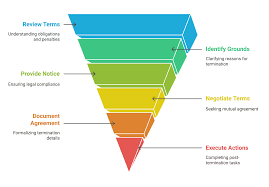
Do pandemics fall under frustration of contract termination definition?
It is important to note that pandemics do not automatically frustrate all contracts. Courts have consistently held that mere difficulty or increased expense is insufficient; performance must be truly impossible or radically different from the original agreement. For instance, if remote work or alternative delivery methods are feasible, frustration may not apply. Frustration of contract termination definition therefore acts as a safeguard, ensuring that parties cannot misuse extraordinary events like pandemics to escape contractual responsibilities without meeting the strict legal criteria.
Moreover, the doctrine addresses the timing and scope of termination. Frustration terminates the contract from the moment the event occurs, meaning that obligations cease at that point. Any payments or obligations accrued prior to the pandemic may still need to be settled, depending on statutory rules or contractual provisions. This reinforces the idea that while pandemics can create extreme circumstances, the law requires careful assessment before declaring a contract frustrated.
In conclusion, pandemics can fall under frustration of contract termination definition if they render contractual performance impossible or fundamentally different from what was agreed upon. The doctrine provides legal clarity and protection for parties affected by unforeseeable events. However, courts carefully evaluate each situation, considering whether alternative means of performance exist. Frustration of contract termination definition ensures that termination in the context of a pandemic is grounded in legal principles rather than convenience, maintaining fairness and balance in contractual relationships disrupted by global crises.
